Back to Article
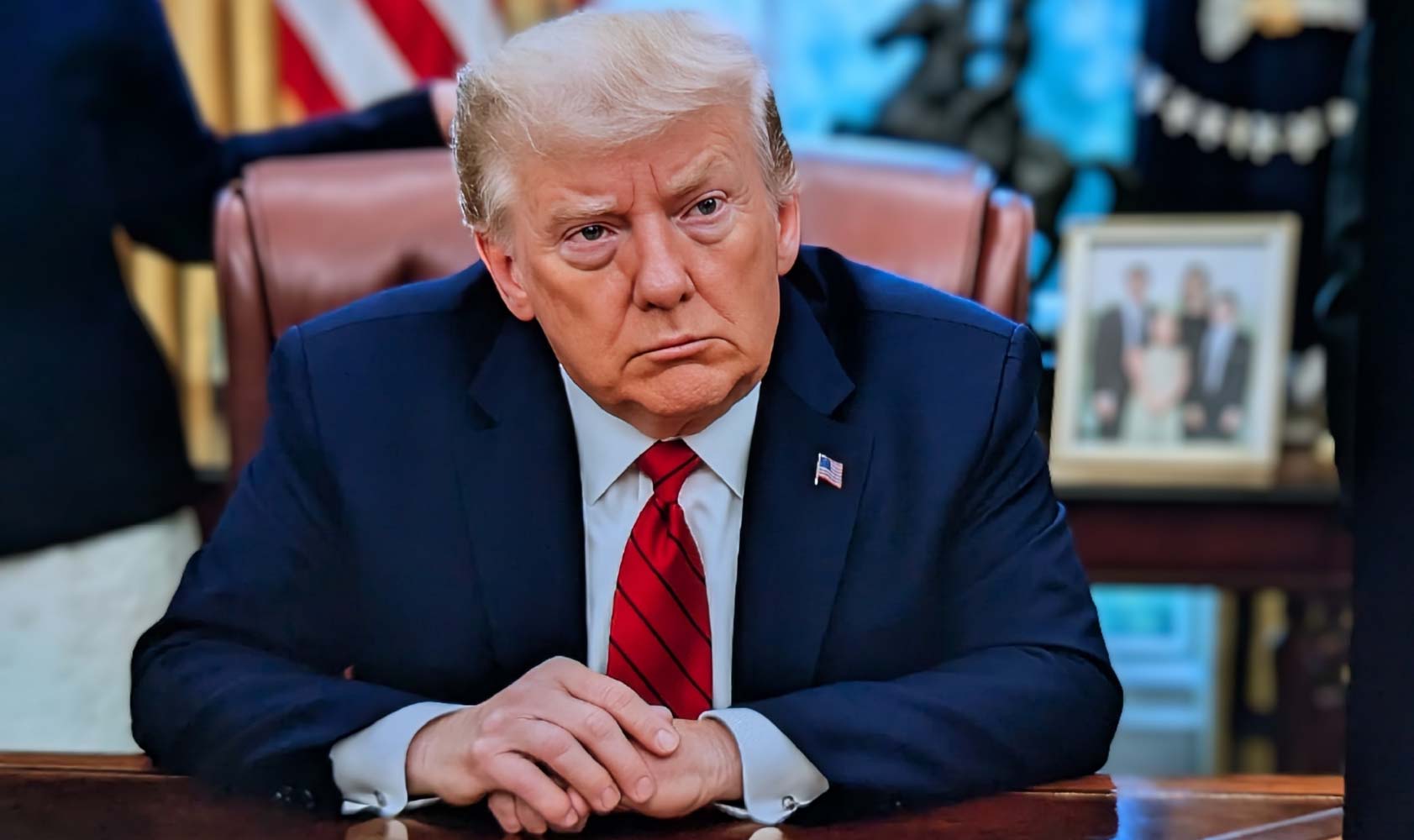
- Last Friday, Trump announced that he will nominate Kevin Warsh, a former Federal Reserve (Fed) governor, to replace Jerome Powell as Fed Chair. Given Warsh’s reputation as a hawk on monetary policy, the announcement triggered a set of risk-off moves across asset classes, including a 12% correction in gold and a remarkable 30% crash in silver.
- Despite his reputation as a hawk, we expect Warsh to advocate for rate cuts this year, in line with his recent arguments for lower rates and Trump’s agenda. The path for the Fed Funds rates beyond 2026, however, is less clear. For long-end yields, we see a Warsh Fed having a mixed impact. On one hand, Warsh’s goal of shrinking the Fed’s balance sheet will exert upward pressure on yields. On the other hand, Warsh’s credentials as a hawk lowers the risk of a “bond vigilante” episode, which ironically means he is better positioned to lower interest rates sustainably
- For global equities, we expect an increase in near-term volatility and continue to advocate that investors with concentrated or leveraged positions consider hedging as risk management rather than a directional call on markets. The long-term outlook remains constructive, in our view, and we remain overall risk-on in our TAA expressed via our overweight position in Asia ex-Japan.
- For precious metals, we expect near-term volatility to remain heightened with elevated risk of further margin calls and liquidations ahead. Despite a sharp pullback, gold and silver are still up significantly over the year to date, and we see the long-term uptrend as broadly intact alongside supportive fundamentals, such as global central bank demand and US fiscal sustainability concerns.
Last Friday, President Trump announced that he will nominate Kevin Warsh to replace Jerome Powell as the Chair of the Federal Reserve when his term ends in May this year.
Warsh was previously a Fed governor from 2006-2011. Because he has long been relatively hawkish in his views on monetary policy, especially on the Fed’s use of its large balance sheet, and is perceived to be likely more independent minded versus Kevin Hassett – the other front runner candidate who is seen to be closely aligned to Trump – the market took this as a hawkish development for US monetary policy. As a result, we saw a set of risk-off moves across asset classes, including sharp selloffs in precious metals (gold diving 12% and silver crashing 30%), while the USD staged its biggest one-day rally since May.
Global equities, including the S&P 500 Index, broadly declined while bond markets remained mostly mixed, as futures pricing continue to reflect around two 25bps cuts by the end of 2026. We believe that the characterisation of Warsh as a hawk may be overly simplistic. The reality is that he has focused his criticism on the Fed’s use of its large balance sheet and has in fact argued that short-dated interest rates could be lower with a much smaller balance sheet.
In addition, given Warsh’s credibility and image as someone who is relatively more likely to protect the Fed’s independence, he is seen to be more likely to be confirmed by Congress.
Importantly, one should recognize that the Fed Chair is not all-powerful and cannot cut rates without sufficient votes from the rest of the Federal Open Market Committee (FOMC). Previous chair Volcker has once lost a policy vote. With Warsh’s reputation and experience with the inner workings of the Fed, he is more likely to find success in persuading the rest of the FOMC to cut rates, especially if he can present a cogent argument for lower rates with a smaller Fed balance sheet.
Looking at short-dated rates, we expect that Warsh will likely advocate for rate cuts this year, which is in line with: (i) his recent stated views on monetary policy, (ii) Trump’s desire for rate cuts, especially before the mid-term elections, and (iii) the market’s current expectations for two 25bps cuts this year.
That said, the path for the Fed funds rate after 2026 is now more uncertain, especially if the data does not support further monetary loosening or if we enter a scenario of a lame duck Presidency in 2027-2028, which will weaken Trump’s ability to exert political pressure on the Fed.
The implications of Warsh’s nomination on long-end rates are mixed. On one hand, Warsh’s goal of shrinking the Fed’s balance sheet will reduce a major source of demand for US Treasuries (UST) and reduce system liquidity, which will exert upward pressure on long-dated yields, all else constant. This also appears to be at odds with Trump’s goal of lowering mortgage rates.
On the other hand, Warsh’s institutional credibility and reputation as an inflation hawk lowers the risk of a “bond vigilante” episode, i.e. a spike in long-dated yields - and this ironically means that he is better positioned to lower interest rates sustainably without an adverse market reaction.
For global equities, we expect concerns over the implications of Warsh’s nomination and a potential unwinding of crowded investor positioning to trigger a near-term increase in volatility.
We have previously advocated that investors with concentrated or leveraged positions consider hedging as risk management rather than a directional call on markets - and we continue to see this as sensible given that the cost of hedging remains manageable.
Despite near-term volatility risk, we continue to hold an overall risk-on stance in our tactical asset allocation given our view that the long-term outlook remains relatively constructive.
First, the Fed under Warsh is relatively more likely to protect its institutional independence and project a picture of coherent policymaking, which are long-term positives for global markets and businesses.
Second, we believe that the outlook for equities will be driven by broadly positive earnings fundamentals due to resilient growth and the positive effects of rising productivity catalysed by artificial intelligence (AI).
Third, recession risk in the US and globally is relatively low and inflation risk appears to be well contained thus far.
For precious metals, the sharp pullback on Friday in gold and silver reflects the heightened risk of unwinding when investor positioning becomes extreme, and we expect near-term price volatility to remain elevated with the risk of further margin calls and liquidations. That said, despite the sharp pullback and near-term volatility, gold and silver are still up significantly over the year to date and we believe the long-term trend remains broadly intact alongside supportive fundamentals such as global central bank demand and US fiscal sustainability concerns.
This article was first published by Bank of Singapore on 02 February 2026. The Opinions expressed in this publication are those of the authors. They do not purport to reflect the opinions or views of OCBC Private Bank or its affiliates.
OCBC Private Bank provides a suite of products for wealth creation, preservation and transmission including holistic wealth management services, independent research, customized solutions for all investor preferences, and genuine open architecture, with expertise in Indonesia and Asia Pacific markets. OCBC Private Bank is a part of OCBC Group.